

Hot Products


0102030405
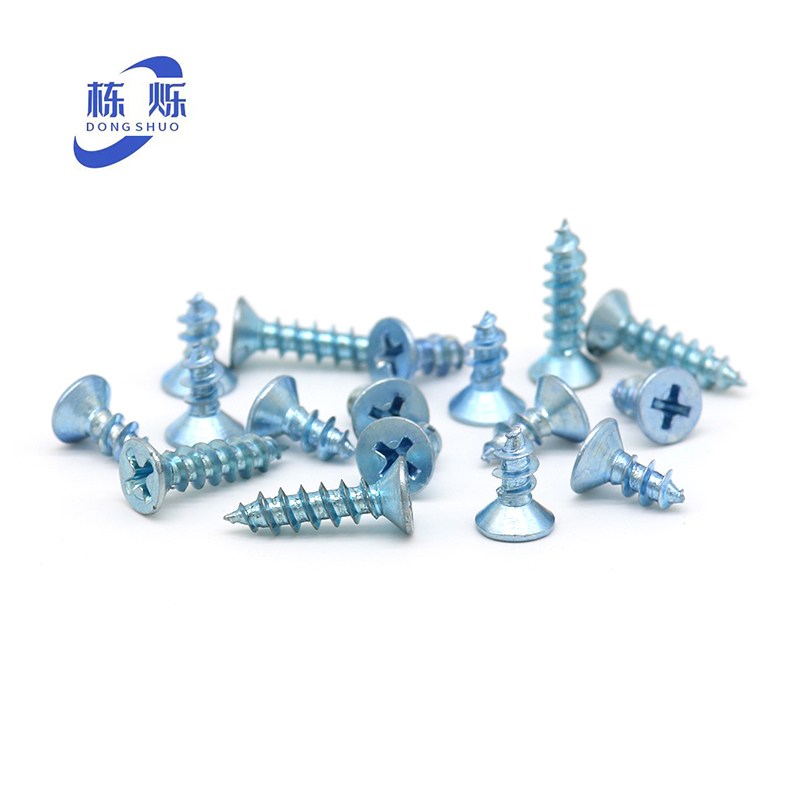
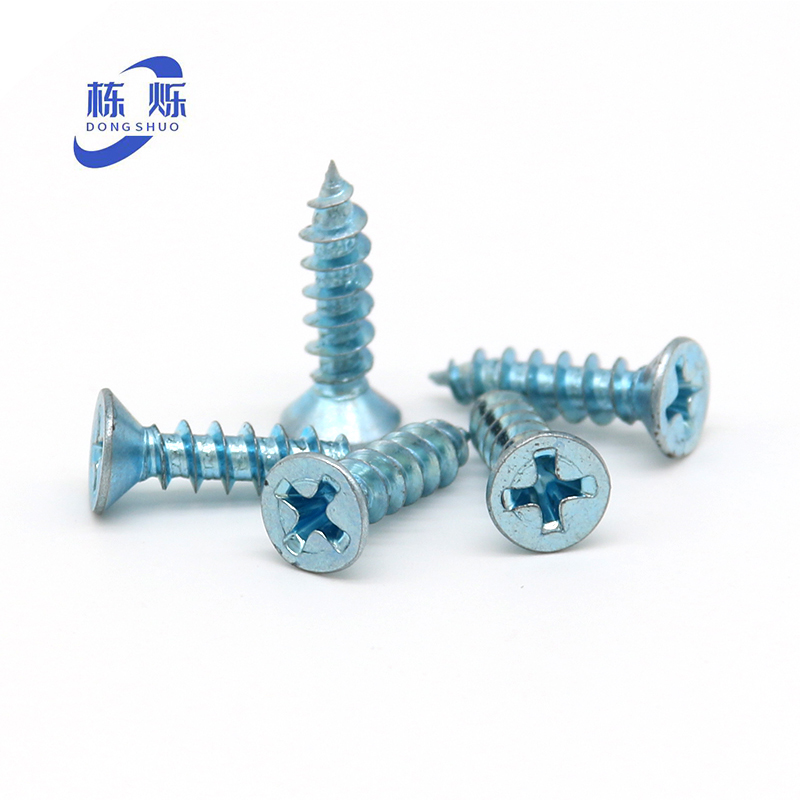
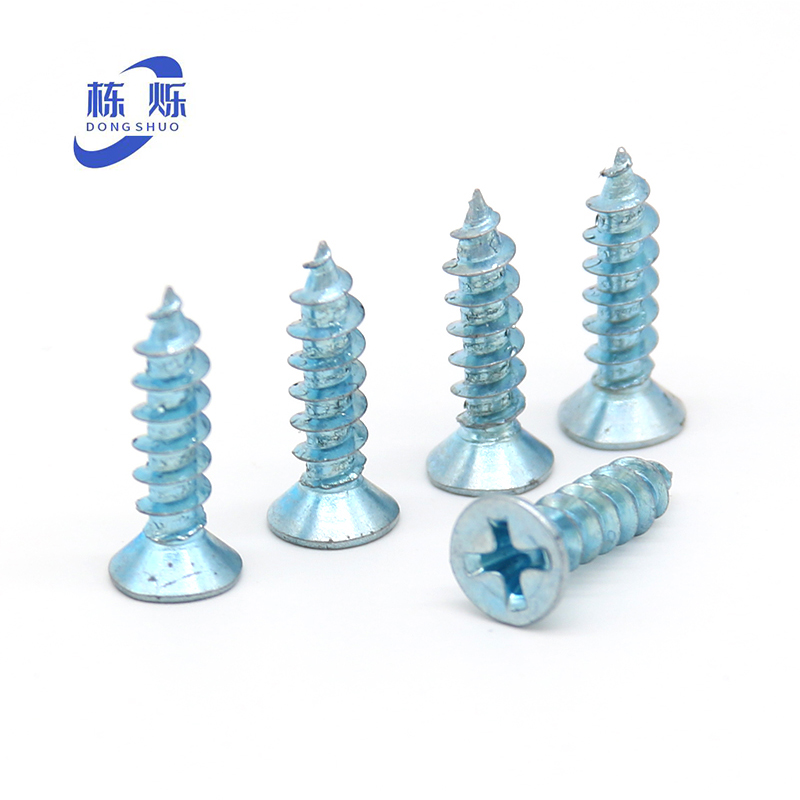
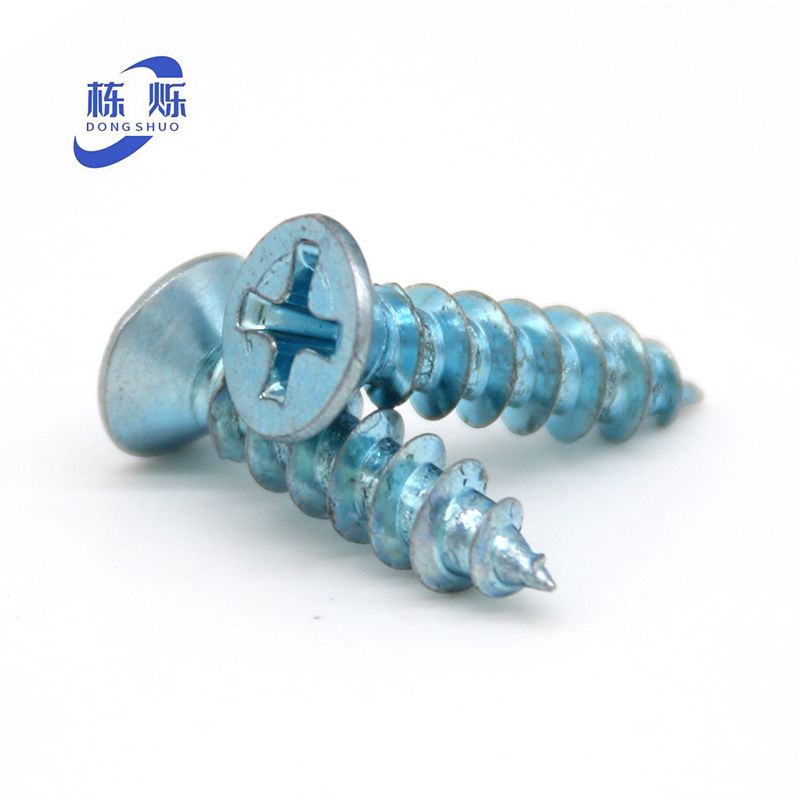
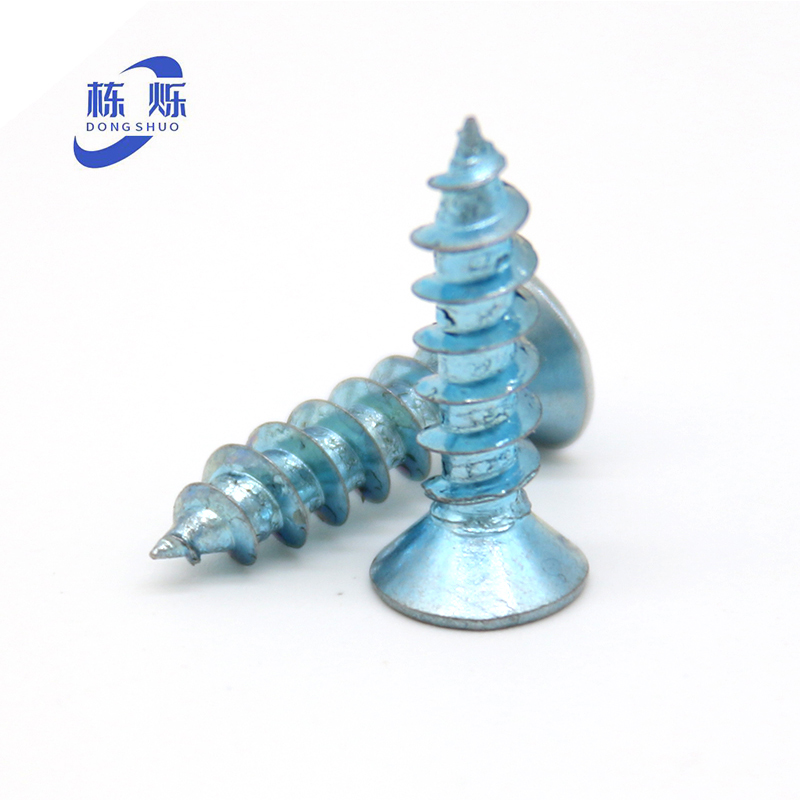
Galvanized Countersunk Cross Tapping Screws - High Quality from China Suppliers & Factory
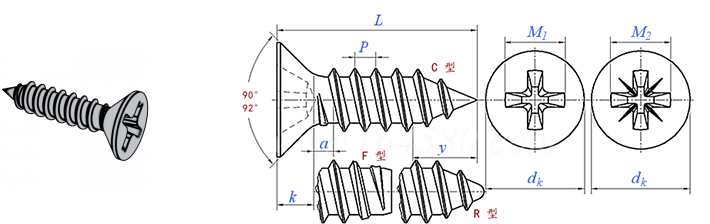
| Thread specifications | ST2.2 | ST2.9 | ST3.5 | ST4.2 | ST4.8 | ST5.5 | ST6.3 | ST8 | ST9.5 | |||
| P | Pitch | 0.8 | 1.1 | 1.3 | 1.4 | 1.6 | 1.8 | 1.8 | 2.1 | 2.1 | ||
| a | Max | 1.6 | 2.2 | 2.6 | 2.8 | 3.2 | 3.6 | 3.6 | 4.2 | 4.2 | ||
| dk | Max | 3.8 | 5.5 | 7.3 | 8.4 | 9.3 | 10.3 | 11.3 | 15.8 | 18.3 | ||
| Min | 3.5 | 5.2 | 6.9 | 8 | 8.9 | 9.9 | 10.9 | 15.4 | 17.8 | |||
| k | Max | 1.1 | 1.7 | 2.35 | 2.6 | 2.8 | 3 | 3.15 | 4.65 | 5.25 | ||
| Slot Number | 0 | 1 | 2 | 2 | 2 | 3 | 3 | 4 | 4 | |||
| M1 | Cruciform | 1.9 | 3.2 | 4.4 | 4.6 | 5.2 | 6.6 | 6.8 | 8.9 | 10 | ||
| M2 | Zigzag slot | 2 | 3 | 4.1 | 4.4 | 4.9 | 6.3 | 6.6 | 8.8 | 9.8 | ||
| y | Reference value | Type C | 2 | 2.6 | 3.2 | 3.7 | 4.3 | 5 | 6 | 7.5 | 8 | |
| Type F | 1.6 | 2.1 | 2.5 | 2.8 | 3.2 | 3.6 | 3.6 | 4.2 | 4.2 | |||
| Type R | / | / | 2.7 | 3.2 | 3.6 | 4.3 | 5 | |||||
How to choose a suitable self tapping screw
01
Select by Material
Select different self tapping screws based on the material characteristics that need to be nailed in. For example, for hard materials, choose self tapping screws with high strength, appropriate length and diameter.
02
According to Thread Selection
Self tapping screws usually have two types: coarse thread and fine thread, and different threads are usually suitable for different materials.
03
Select According to Head Shape
The pentagonal head self tapping screw is more sturdy than the ordinary round head self tapping screw, but the price is also relatively high.
Frequently Asked Questions (FAQ)
Q:
What is the benefit of a countersunk cross head on self-tapping screws?
Countersunk heads allow the screw to sit flush with or below the surface of the workpiece, creating a smooth finish without protruding parts. The cross (cruciform) drive provides good torque transmission and easy alignment during installation.
Q:
Why is galvanization applied to self-tapping screws?
Galvanized coating adds a protective zinc layer that significantly improves resistance against corrosion, rust, and moisture, ensuring longer durability in both indoor and outdoor applications.
Q:
When should I use coarse thread vs. fine thread screws?
Coarse threads are best suited for softer substrates like softwoods, plastic, and drywall because they grip better. Fine threads are ideal for harder materials like metals and hard plastics to provide stronger hold and reduce the risk of stripping.
Q:
Do I need to pre-drill a hole before using self-tapping screws?
While self-tapping screws create their own matching thread, pre-drilling a pilot hole is recommended when working with thicker metals or dense hardwoods to prevent material cracking and screw breakage.
Q:
What do the thread specifications like ST2.9 or ST4.2 mean?
"ST" stands for Standard Tapping screw thread standard, and the number (e.g., 2.9, 4.2) indicates the nominal major diameter of the screw thread in millimeters according to international fastening standards.